Pumpkin is often associated with fall decorations, holiday desserts, and comforting seasonal recipes. But beyond its familiar appearance and naturally sweet flavor, this colorful fruit offers an impressive combination of vitamins, minerals, antioxidants, and dietary fiber that can support several aspects of your health.
Whether you enjoy pumpkin roasted, blended into soup, or mixed into your morning oatmeal, adding it to your regular diet may offer more benefits than you realize.
From supporting healthy vision and digestion to helping maintain a healthy immune system, pumpkin is a nutrient-rich food that deserves more attention throughout the year.
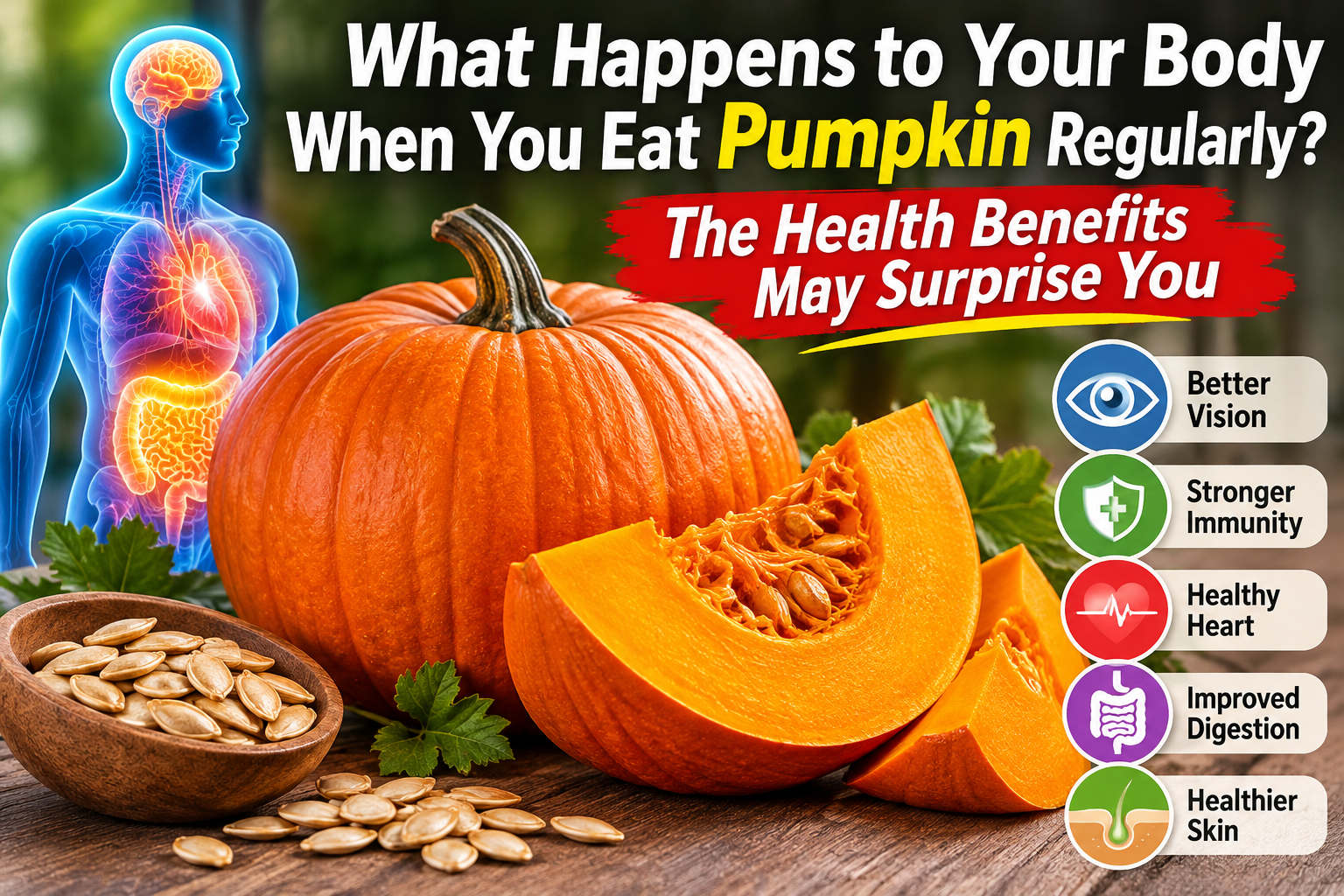
But what actually happens to your body when you eat pumpkin regularly? And is eating it every day a healthy habit?
Let’s take a closer look at the science-backed benefits, nutritional value, and simple ways to enjoy more pumpkin.
1. Your Eyes May Benefit From Pumpkin’s Impressive Vitamin A Content
One of the most remarkable nutritional qualities of pumpkin is its high concentration of beta-carotene, the natural pigment responsible for its bright orange color.
Your body converts beta-carotene into vitamin A, an essential nutrient that plays an important role in maintaining normal vision.
Vitamin A helps your eyes function properly, particularly when adjusting to low-light conditions. It also supports the health of the cornea and other tissues involved in vision.
Pumpkin also contains smaller amounts of other carotenoids, including lutein and zeaxanthin, which contribute to eye health.
Getting enough vitamin A through a balanced diet is important at every stage of life, especially as you get older.
Why it matters: Including pumpkin alongside other colorful vegetables can help you obtain important nutrients that support long-term eye health.
2. Your Digestive System May Become More Supported
If you’re looking for a simple way to increase your fiber intake, pumpkin can be a useful addition to your meals.
Dietary fiber plays an important role in digestive health. It helps support regular bowel movements, contributes to stool consistency, and supports the beneficial bacteria living in your digestive system.
Depending on the type and preparation, pumpkin provides a meaningful amount of dietary fiber.
For example, one cup of canned pumpkin contains approximately 7 grams of fiber, making it a convenient option for people looking to increase their daily intake.
Fiber also slows digestion, which can help you feel satisfied after eating.
However, increasing fiber too quickly may cause bloating or gas. It’s best to increase your intake gradually and drink enough water.
Why it matters: Regularly including fiber-rich foods such as pumpkin, beans, oats, and vegetables can help support a healthier digestive routine.
3. Pumpkin May Help Support Your Immune System
Your immune system depends on a variety of nutrients to function properly, and pumpkin provides several of them.
Vitamin A is particularly important because it helps maintain the protective barriers in your respiratory and digestive systems. These barriers are among the body’s first lines of defense against unwanted microorganisms.
Pumpkin also contains vitamin C and vitamin E, both of which contribute to normal immune function and help protect cells from oxidative damage.
In addition, pumpkin seeds provide minerals such as zinc, which plays an important role in the development and function of immune cells.
It’s important to understand that no single food can prevent infections or guarantee that you won’t get sick.
However, regularly eating a variety of nutrient-rich foods can help provide the nutrients your body needs to maintain normal immune function.
4. It May Support Heart Health
Heart health is influenced by many factors, including physical activity, genetics, sleep, blood pressure, and everyday eating habits.
Pumpkin contains several nutrients that can contribute to a heart-conscious eating pattern.
One of them is potassium, an essential mineral that helps regulate fluid balance, supports normal muscle function, and plays a role in maintaining healthy blood pressure.
Pumpkin also provides dietary fiber, which is associated with cardiovascular health when consumed as part of an overall balanced diet.
Another advantage is that plain pumpkin is naturally low in calories and contains very little fat.
Replacing some highly processed, calorie-dense foods with vegetables such as pumpkin can be a practical step toward improving overall dietary quality.
A helpful tip: Try roasted pumpkin with olive oil, garlic, and herbs instead of making every pumpkin dish a sugary dessert.
5. Your Skin May Benefit From Its Antioxidants
Healthy-looking skin depends on several things, including hydration, genetics, sun protection, sleep, and nutrition.
Pumpkin contributes nutrients that help support normal skin function.
Its beta-carotene content is particularly interesting because your body can convert it into vitamin A. This vitamin plays a role in maintaining healthy skin tissue and supporting normal cell growth.
Pumpkin also contains vitamin C, which is necessary for collagen production.
Collagen is a structural protein that helps provide strength and support to your skin.
Vitamin E, another nutrient found in pumpkin, contributes to protecting cells from oxidative stress.
Eating pumpkin will not erase wrinkles or replace a good skincare routine, but including antioxidant-rich foods in your diet can help support your body’s nutritional needs.
6. Pumpkin Can Help You Feel Fuller Without Adding Too Many Calories
If you’re trying to manage your weight, pumpkin is worth considering.
Plain cooked pumpkin is relatively low in calories while providing water, fiber, and several essential nutrients.
One cup of cooked pumpkin contains approximately 49 calories and 3 grams of fiber, although nutritional values vary depending on the variety and preparation method.
This combination makes pumpkin a useful ingredient in meals designed to be filling without being excessively calorie-dense.
For example, you can add pumpkin puree to oatmeal, blend it into vegetable soup, or serve roasted pumpkin alongside chicken or fish.
The key is what you add to it.
Pumpkin pie filling, sweetened pumpkin drinks, and desserts can contain considerable amounts of added sugar and calories.
Choosing plain pumpkin instead gives you more control over the ingredients.
Remember: Pumpkin does not directly burn body fat or cause weight loss on its own. It can simply make it easier to build satisfying, balanced meals.
7. It Provides Nutrients That Support Healthy Muscle Function
Many people associate pumpkin with vitamins and antioxidants, but its mineral content is also worth mentioning.
Pumpkin contains potassium, which helps muscles contract and supports normal nerve signaling.
It also contains smaller amounts of magnesium, a mineral involved in hundreds of processes throughout the body, including muscle and nerve function.
These nutrients are important whether you exercise regularly, walk frequently, or simply want to maintain normal physical function as you age.
Pumpkin seeds offer an additional nutritional advantage.
They are particularly rich in magnesium, zinc, protein, and healthy unsaturated fats.
A small serving of unsalted pumpkin seeds can make a nutritious addition to yogurt, salads, oatmeal, or homemade trail mix.
8. Pumpkin Seeds Offer Additional Nutritional Benefits
When preparing pumpkin, many people throw away the seeds without realizing that they are edible and nutritious.
Pumpkin seeds, sometimes called pepitas, contain a different nutritional profile from the flesh.
They provide:
- Magnesium: Important for muscle function, nerve signaling, and normal energy metabolism.
- Zinc: Supports normal immune function and wound healing.
- Protein: Helps maintain and repair body tissues.
- Healthy fats: Primarily unsaturated fats that contribute to a balanced diet.
- Iron: Helps the body produce hemoglobin, which carries oxygen in the blood.
Roasted pumpkin seeds are an easy snack and can also be sprinkled over salads or soups.
Just remember that seeds are more calorie-dense than pumpkin flesh, so portion size matters if you’re monitoring your calorie intake.
Pumpkin Nutrition Facts: What Do You Get in One Cup?
Pumpkin is an excellent example of a nutrient-dense food: it provides several important nutrients without contributing a large number of calories.
Here is an approximate nutritional breakdown for one cup of cooked pumpkin.
| Nutrient | Approximate amount |
|---|---|
| Calories | 49 |
| Carbohydrates | 12 g |
| Dietary fiber | 3 g |
| Protein | 2 g |
| Fat | Less than 1 g |
| Potassium | 564 mg |
| Vitamin C | 11.5 mg |
| Vitamin A | 705 mcg RAE |
Values are approximate and can vary depending on the pumpkin variety and preparation method.
The nutritional profile makes pumpkin a practical ingredient for people who want to eat more vegetables while increasing their intake of essential vitamins and minerals.
How Often Should You Eat Pumpkin?
For most healthy adults, pumpkin can be enjoyed regularly as part of a balanced diet.
There is no official recommendation requiring you to eat pumpkin every day. Instead, focus on including a variety of vegetables, fruits, whole grains, and protein sources throughout the week.
A serving of cooked pumpkin can be added to breakfast, lunch, or dinner.
Some simple ideas include:
- Add pumpkin puree to your morning oatmeal.
- Prepare homemade pumpkin and vegetable soup.
- Roast pumpkin cubes with olive oil and black pepper.
- Mix pumpkin puree into plain Greek yogurt with cinnamon.
- Add roasted pumpkin to salads with chicken or chickpeas.
- Enjoy a small handful of roasted pumpkin seeds as a snack.
The best approach is to choose preparations that don’t rely heavily on added sugar, excessive salt, or unhealthy fats.
Fresh Pumpkin vs. Canned Pumpkin: Which Is Healthier?
Both fresh and canned pumpkin can be nutritious choices.
Fresh pumpkin is excellent when roasted, steamed, or cooked into homemade meals.
Canned pumpkin, on the other hand, is convenient, easy to store, and available throughout the year.
In many cases, plain canned pumpkin retains a substantial amount of its nutritional value.
However, there is one important difference when shopping.
Look for products labeled 100% Pure Pumpkin rather than pumpkin pie filling.
Pumpkin pie filling often contains added sugar, sweeteners, and other ingredients that change its nutritional profile.
If convenience matters, plain canned pumpkin can be an excellent addition to a healthy kitchen.
Are There Any Side Effects of Eating Too Much Pumpkin?
Although pumpkin is generally well tolerated, eating excessive amounts of any food may cause digestive discomfort in some people.
A sudden increase in fiber intake may lead to bloating, gas, or changes in bowel movements.
There are also a few things worth considering:
- Digestive sensitivity: Increase your fiber intake gradually if you’re not used to eating fiber-rich foods.
- Kidney-related dietary restrictions: People with chronic kidney disease or certain potassium restrictions should follow their healthcare professional’s dietary advice.
- Added sugar: Pumpkin-flavored desserts and drinks may contain much more sugar than plain pumpkin.
- Portion sizes: Pumpkin seeds are nutritious but relatively calorie-dense, so large portions can add up quickly.
If you have a medical condition that requires dietary restrictions, speak with a qualified healthcare professional about the right amount for your needs.
Frequently Asked Questions About Eating Pumpkin
Is it healthy to eat pumpkin every day?
For most healthy adults, eating pumpkin every day can be perfectly reasonable when included in a varied and balanced diet. It provides fiber, beta-carotene, potassium, and other nutrients. However, you don’t need to eat it daily to benefit from its nutritional value.
Does pumpkin help lower blood pressure?
Pumpkin contains potassium, which contributes to normal blood pressure regulation. However, eating pumpkin alone is not a treatment for high blood pressure. Overall dietary patterns, physical activity, and medical care remain important.
Is pumpkin good for weight loss?
Pumpkin can fit into a weight-management diet because plain cooked pumpkin is relatively low in calories and provides fiber. It may help make meals more filling, especially when used instead of more calorie-dense ingredients.
Is pumpkin healthier than sweet potatoes?
Both foods are nutritious, but they have different nutritional profiles. Pumpkin is generally lower in calories, while sweet potatoes provide more carbohydrates and fiber in typical servings. Both can be part of a healthy diet.
Is canned pumpkin as healthy as fresh pumpkin?
Yes, plain canned pumpkin can be a nutritious alternative to fresh pumpkin. Choose products containing 100% pumpkin without added sugar or unnecessary ingredients.
Are pumpkin seeds healthy to eat every day?
Pumpkin seeds can be included regularly in a balanced diet. They provide magnesium, zinc, protein, and unsaturated fats. Because they are calorie-dense, moderate portions are a sensible choice.
The Bottom Line: A Simple Food With Impressive Nutritional Value
Pumpkin is much more than a seasonal decoration or an ingredient for holiday desserts.
Its combination of beta-carotene, vitamin A, potassium, fiber, and antioxidants makes it a valuable addition to a balanced diet.
Eating pumpkin regularly may help support normal vision, digestive function, immune health, and overall nutritional quality. Its relatively low calorie content also makes it a practical ingredient for people looking to prepare more satisfying meals.
And don’t forget the seeds. They offer additional nutrients that make the entire pumpkin worth appreciating.
You don’t need expensive superfoods or complicated diets to improve your everyday eating habits. Sometimes, simple ingredients like pumpkin can make a meaningful contribution to a healthier lifestyle.
The best part? Pumpkin is versatile, affordable, and easy to enjoy in both sweet and savory recipes.