Losing weight does not have to mean following an extreme diet or completely changing your lifestyle overnight. For many people, successful weight management comes from making smaller, consistent changes that can be maintained over time.
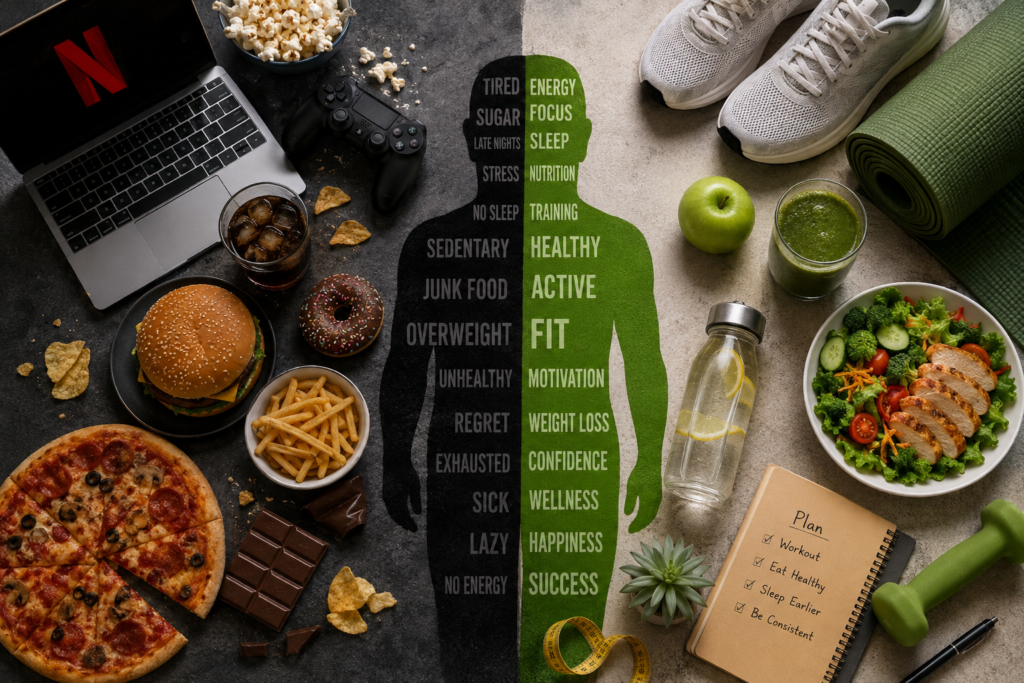
Whether your goal is to improve your eating habits, become more active, or simply feel better in everyday life, a balanced approach can be more practical than short-term dieting.
Start With Your Eating Habits
One of the most useful places to begin is with the foods you regularly eat.
Meals built around vegetables, fruits, whole grains, lean sources of protein, and other nutrient-dense foods can make it easier to maintain a balanced eating pattern. Protein-rich foods can also contribute to fullness, which may help some people manage their overall food intake.
Instead of trying to eliminate entire food groups, consider paying attention to portion sizes and the overall quality of your meals.
A simple plate can include vegetables or fruit, a source of protein, and a carbohydrate such as potatoes, rice, oats, or whole grains.
Pay Attention to Calories Without Becoming Obsessed
Calorie awareness can be useful for people trying to manage their weight, but it does not have to become complicated.
Foods and drinks can vary considerably in calorie density. Sugary beverages, large portions, frequent snacks, and highly processed foods can add calories quickly without always providing lasting fullness.
Keeping a food journal for a short period may help you understand your current eating patterns. The goal is not perfection. The goal is to become more aware of what, when, and how much you are eating.
Protein Can Be Part of a Balanced Weight-Loss Plan
Protein is an important nutrient involved in maintaining muscle and supporting normal body functions.
Common protein sources include eggs, fish, poultry, Greek yogurt, beans, lentils, cottage cheese, tofu, and other foods that fit your dietary preferences.
Including a protein source in meals can be one practical way to build a more satisfying meal. However, a healthy diet should still contain a variety of foods rather than relying on one particular nutrient or ingredient.
Walking Is an Underrated Habit
You do not necessarily need an intense workout routine to become more active.
Walking is a simple form of physical activity that can be incorporated into many daily routines. A short walk after a meal, taking the stairs when practical, or adding more movement throughout the day can all contribute to a more active lifestyle.
If you have been inactive, starting gradually may be more realistic than immediately attempting a demanding exercise program.
Sleep and Weight Management
Sleep is another part of overall health that is sometimes overlooked when people focus on weight loss.
Poor sleep can affect appetite, energy levels, mood, and daily habits. Creating a consistent bedtime routine, keeping a regular sleep schedule, and limiting unnecessary distractions before bed may support better sleep habits.
Weight management is not only about food and exercise. Daily routines can influence how easy it is to maintain healthy behaviors.
Avoid Extreme Weight-Loss Promises
The internet is full of dramatic weight-loss claims promising rapid results with little effort.
Be cautious with programs that claim you can lose a large amount of weight in a very short period, especially when they require expensive supplements, extreme calorie restriction, or unusual eating practices.
Sustainable progress generally requires patience. Individual results can vary based on factors such as starting weight, diet, activity level, sleep, medications, and other aspects of a person’s health.
There is no single weight-loss strategy that works identically for everyone.
Build Habits You Can Maintain
A sustainable approach may be easier when your goals are specific and realistic.
Instead of saying, “I will completely change my diet,” try setting smaller goals such as:
- Adding vegetables to one additional meal each day
- Drinking water instead of a sugary beverage
- Taking a daily walk
- Preparing meals at home more often
- Including a protein-rich food with meals
- Keeping a consistent sleep schedule
Small changes may seem insignificant at first, but consistency matters.
What About Weight-Loss Supplements?
Weight-loss supplements are widely marketed online, but consumers should be careful about products that promise dramatic results.
Some supplements may interact with medications or may not have the evidence consumers expect. Claims that a product can “melt fat,” produce effortless weight loss, or replace healthy eating and physical activity deserve particular skepticism.
Before using a supplement for weight management, it is sensible to discuss it with a qualified healthcare professional, especially if you take medication or have an existing medical condition.
A Better Long-Term Mindset
Healthy weight management is better viewed as an ongoing lifestyle rather than a short challenge.
You do not need to eat perfectly every day or exercise intensely every day. What matters is developing habits that fit your life and that you can continue over the long term.
A balanced eating pattern, regular physical activity, adequate sleep, and realistic goals can provide a more sustainable foundation than extreme diets or quick-fix solutions.
If you are considering significant changes to your diet or exercise routine, particularly if you have a medical condition, take medication, are pregnant, or have other health concerns, speak with an appropriate healthcare professional for individualized advice.
The goal is not simply to lose weight quickly. The goal is to build healthier habits that you can realistically maintain.