Images have power—especially the kind that appear unexpectedly on social media feeds. A recent viral photo of an extremely thin young woman in a striped bikini, widely shared across Facebook and Instagram stories, stopped millions of people mid-scroll. But behind the visual impact lies a much deeper medical reality: the serious health risks behind extreme weight loss, the pressure to burn belly fat at any cost, and the dangerous expectations placed on the human body in the age of digital perfection.

For some viewers, images like this spark curiosity. For others, they trigger concern, confusion, or personal fear. What many fail to realize is that behind such transformations are often hidden metabolic problems, unsafe fat-burning methods, and long-term health consequences that doctors warn about every day.
So what actually leads to extreme weight loss? Is it always the result of intense dieting and exercise—or can deeper medical and metabolic conditions be involved? And most importantly, what does safe recovery and healthy weight loss really look like according to medical experts?
The Hidden Medical Burden Behind “Perfection”
Modern culture has created an environment where physical appearance is constantly evaluated. Filters, editing apps, and carefully curated social media lifestyles normalize a version of beauty that very few bodies can naturally maintain. For many people, this pressure turns into extreme dieting, unsafe calorie restriction, or chronic stress placed on the metabolism.
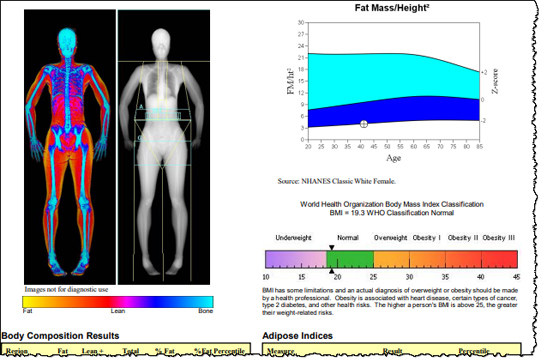
Extreme thinness may develop due to several medical factors, including:
- severe nutritional deficiency
- hormone imbalances
- metabolic disorders
- prolonged stress and cortisol overload
- eating disorders linked to body image pressure
While a single photo captures only one moment, it often reflects a long internal struggle where the body becomes a reflection of mental and emotional stress placed on weight loss and appearance.
Why These Images Trigger Strong Emotional Reactions
From a biological perspective, the human body is designed for balance. When that balance is disrupted by unsafe dieting, extreme calorie restriction, or chronic over-exercising, the body responds by slowing its metabolic rate, breaking down muscle tissue, and conserving energy in harmful ways.
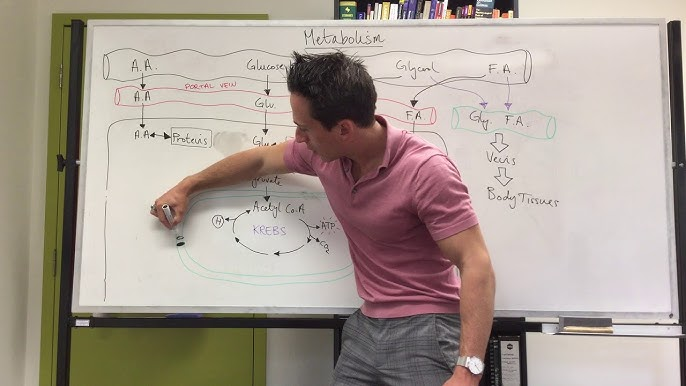
Common warning signs of unsafe weight loss include:
- rapid fat and muscle loss
- hair thinning
- chronic fatigue
- hormone disruption
- weakened immune system
But the emotional response these images create goes far beyond physical appearance. They symbolize how easily people can lose themselves chasing unrealistic beauty standards instead of prioritizing true health.
The Pressure That Pushes the Body to Extremes
Several key forces often drive people toward dangerous weight-loss behaviors:
1. Social Media Comparison
Constant exposure to edited bodies creates unrealistic benchmarks. Many people begin to equate personal worth with physical appearance rather than overall well-being.
2. Perfectionism and Control
Strict food rules, extreme exercise routines, and obsessive tracking can become coping mechanisms for anxiety and stress.
3. Dangerous Weight-Loss Myths
“Detox diets,” “extreme calorie cuts,” and rapid fat-burning challenges often promise fast results but silently damage metabolism and long-term health.
4. Silence and Shame
Many people hide their struggles with weight, nutrition, and mental health until visible physical damage occurs.
From Breakdown to Medical Recovery
Social media often glamorizes “before and after” transformations, but real recovery from extreme weight loss is never instant. According to medical professionals, proper recovery requires:
- gradual nutritional restoration
- rebuilding muscle mass safely
- hormone stabilization
- careful metabolic support
- medical supervision
Sudden weight regain without proper guidance can actually worsen metabolic damage rather than heal it.
Mental and Emotional Healing Is Just as Critical
True recovery is impossible without addressing the psychological side of extreme weight loss. This often involves:
- rebuilding a healthy relationship with food
- correcting distorted body image beliefs
- processing stress and emotional trauma
- developing sustainable habits rather than extreme routines
Without mental recovery, physical changes alone rarely last.
The Role of Metabolism in Safe Weight Loss
Doctors emphasize that metabolism plays a critical role in both extreme weight loss and healthy fat burning. When the body is pushed too far, the metabolic rate slows dramatically, making future weight control more difficult.
Safe weight loss focuses on:
- boosting metabolism naturally
- burning stubborn belly fat gradually
- stabilizing insulin and hormones
- maintaining muscle mass during fat loss
This is why medically guided weight loss always outperforms extreme dieting in the long term.
Why Stories Like This Matter
Images like this matter not because they shock—but because they expose how dangerous beauty pressure has become. They force us to confront important questions:
- Why do we glorify extreme thinness?
- Why is health often ignored in favor of appearance?
- Why do so many people feel pressured to destroy their metabolism just to fit in?
Shifting these conversations is critical for long-term public health.
A Healthier Way Forward
True transformation doesn’t come from starving the body. It comes from supporting it. A healthier narrative promotes:
- balanced nutrition
- safe fat-burning methods
- long-term metabolic health
- emotional well-being
- sustainable fitness routines
These principles build stronger bodies and far better long-term results than any extreme transformation ever could.
Your Body Is Not a Project — It’s a Partnership
Perhaps the most important lesson behind such viral images is simple: the body is not an enemy to be conquered. It is a biological system designed to protect you. When appearance becomes the main measure of worth, both physical and mental health suffer.
Choosing safe weight loss, balanced habits, and metabolic health is not weakness—it is long-term strength.
What We Can Learn From a Single Photo
The viral Facebook Story image may look like just another trending post, but it represents a much deeper medical and emotional conversation. It reminds us that behind every extreme transformation is a human story—often involving stress, pressure, and hidden health consequences.
Healing is possible. Strength is possible. Transformation is possible. But the strongest results always come from care, not pressure.
If even one person rethinks unsafe fat-burning habits, extreme dieting, or unrealistic standards after seeing stories like this, then this awareness already serves a powerful purpose.