The digital landscape of 2026 continues to grapple with the tension between rapid information sharing and the preservation of medical truth. Recently, a series of viral social media posts ignited a firestorm of concern by suggesting a link between COVID-19 vaccinations and severe, visible limb damage. These posts, often accompanied by jarring X-ray images showing skeletal abnormalities and apparent bone degradation, have rippled across platforms, preying on the lingering anxieties of a post-pandemic public. However, a deep dive into the clinical data and expert testimony reveals that these claims are not only unsubstantiated but represent a sophisticated form of medical misinformation.
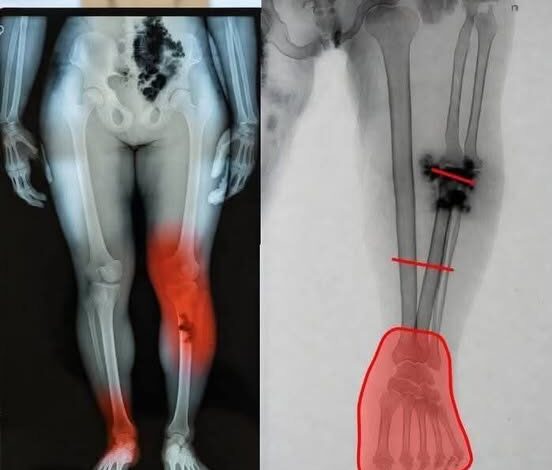
The images in question typically depict lower leg and foot trauma, showing shattered bone structures or mysterious “growths.” While the visuals are undeniably distressing, radiologists and orthopedic specialists have been quick to intervene. Upon closer inspection, these X-rays do not show the systemic cellular response one would expect from a pharmaceutical side effect. Instead, they display the hallmark signatures of localized trauma, advanced untreated infections (such as osteomyelitis), or severe vascular compromise—conditions that existed long before the advent of mRNA technology and are entirely unrelated to the mechanics of vaccination.
The Anatomy of Misinformation
In the current media environment, where figures like Savannah Guthrie and David Muir are central to the dissemination of trusted news, the “bottom-up” spread of unsourced medical claims serves as a chaotic counter-narrative. The viral post claiming limb damage is a classic example of “anecdotal hijacking”—taking a real medical image of a rare pathology and recontextualizing it to fit a specific, fear-driven agenda.
Medical experts emphasize that the biological pathway of a vaccine is focused on the immune system, specifically the training of white blood cells to recognize a viral spike protein. There is no known physiological mechanism by which a muscular injection could trigger the localized skeletal deconstruction or limb “warping” suggested by these viral images. Public health authorities, including the CDC and global monitoring agencies, have maintained rigorous, real-time surveillance of millions of doses. While rare side effects like myocarditis or allergic reactions have been identified and transparently addressed, the claim of “limb damage” has never appeared in any clinical trial or post-market safety database.
Expert Analysis: What the X-rays Actually Show
To the untrained eye, a dark spot or a jagged line on an X-ray is a sign of catastrophe. To a specialist, it tells a specific story. Dr. Elena Rodriguez, a senior radiologist, notes that the images being circulated as “vaccine damage” are actually clinical examples of late-stage diabetic complications or high-impact fractures. “Bones do not simply disintegrate or shift because of an immune response,” Rodriguez explains. “The pathologies shown in these viral posts are the results of years of underlying disease or sudden, violent physical force.”
The danger of such misinformation is not just the fear it generates, but the erosion of public trust in legitimate medical institutions. When a post goes viral, it often reaches more people in twenty minutes than a peer-reviewed correction can reach in a month. This “information asymmetry” is a challenge that health organizations are still struggling to overcome in 2026.
The Global Safety Net
Since the initial rollout of COVID-19 vaccines, the world has implemented the most comprehensive safety monitoring system in medical history. Systems like VAERS (Vaccine Adverse Event Reporting System) and their international counterparts act as a “smoke detector” for public health. If there were even a statistically significant handful of cases involving limb damage, these systems would have triggered an immediate, high-level investigation.
The reality of vaccine side effects is far more mundane than the internet would have us believe. Most individuals experience nothing more than a localized inflammatory response—soreness, fatigue, or a mild fever—which are signs that the body is successfully building its defenses. Serious adverse events remain exceedingly rare, often occurring in fewer than 1 in 100,000 cases, and are typically related to pre-existing conditions or specific allergic sensitivities.
Navigating the Truth in 2026
As we move further into the year, the “infodemic” shows no signs of slowing down. Stories of personal struggle, like the betrayal of Florence Sutton or the financial identity theft of Lauren Hart, show how vulnerable we are when trust is broken. In the medical sphere, that trust is broken when misleading visuals are used to bypass critical thinking.
Experts urge the public to apply the same skepticism to a viral medical post that they would to a suspicious email or a “too-good-to-be-true” financial offer. Verification through reputable sources—such as university hospitals, the World Health Organization, or long-standing medical journals—is the only antidote to the spread of digital contagion.
The limb damage claims are a sobering reminder that while the virus may be under control, the spread of fear remains a potent threat to public health. By grounding our understanding in the structural integrity of science rather than the emotional impact of a manipulated image, we can protect not only ourselves but the collective health of our communities.