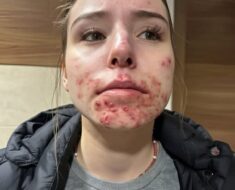
Discover fast and effective ways to treat hormonal acne using dermatologist-approved methods. Learn causes, symptoms, treatments, and high-value prevention tips for long-term clear skin.
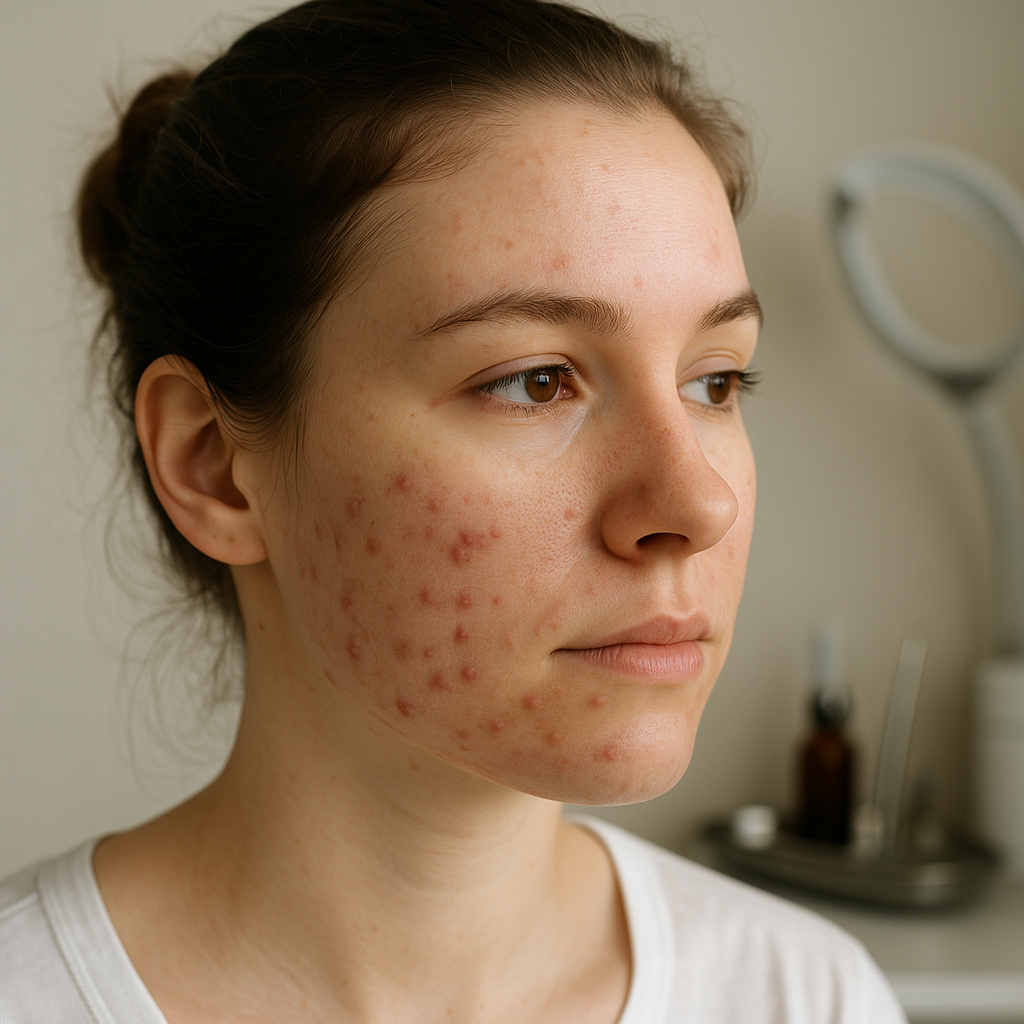
Introduction
Hormonal acne is one of the most common and stubborn skin problems, affecting both teenagers and adults. It appears when hormonal fluctuations trigger excess oil production, clogged pores, and inflammation. Unlike regular breakouts, hormonal acne is deeper, more painful, and often returns in cycles. The good news? With the right treatments and daily habits, you can dramatically reduce it.
In this guide, we break down the real causes, high-value treatments, and expert prevention strategies to help you clear hormonal acne fast.
What Causes Hormonal Acne?
Hormonal acne happens when your hormone levels—especially androgens—rise and stimulate the oil glands. This causes pores to clog and bacteria to multiply.
Common triggers include:
- Stress and cortisol spikes
- Menstrual cycle fluctuations
- Pregnancy or postpartum changes
- High-sugar diets
- Polycystic ovary syndrome (PCOS)
- Lack of sleep or irregular routines
Hormonal acne is typically:
- Located on the chin, jawline, and lower cheeks
- Deep and painful (cystic or nodular)
- Recurring at the same time every month
- Worse during stressful periods
If these symptoms match, dermatologists consider it a strong case of hormonal acne.
Best Treatments for Hormonal Acne (Dermatologist Approved)
⭐ 1. Benzoyl Peroxide (2.5%–5%)
Kills acne-causing bacteria and reduces inflammation. Ideal for daily use.
⭐ 2. Salicylic Acid (BHA)
Penetrates deep into pores and dissolves oil buildup. Perfect for oily or congested skin.
⭐ 3. Retinoids (Tretinoin, Adapalene)
Improve skin cell turnover, prevent clogged pores, and treat existing acne.
⭐ 4. Niacinamide (Vitamin B3)
Reduces redness, improves texture, and balances oil production.
⭐ 5. Hormonal Treatments (For Women)
Dermatologists recommend:
- Spironolactone
- Birth control pills
- Anti-androgen therapy
These stabilize hormone levels and reduce breakouts long-term.
⭐ 6. Professional Treatments
If acne is severe:
- Chemical peels
- LED blue-light therapy
- Microneedling
- Prescription oral medications
These provide faster and stronger results.
Lifestyle Changes That Make a Big Difference
✔️ Avoid High-Sugar Foods
Spikes in insulin worsen hormonal imbalance.
✔️ Prioritize Sleep
7–8 hours nightly reduces cortisol and inflammation.
✔️ Use Non-Comedogenic Products
Makeup and skincare should be labeled oil-free and won’t clog pores.
✔️ Reduce Stress
Meditation, light exercise, and planned routines stabilize hormone levels.
- Clean pillowcases twice a week
- Avoid touching your face
- Keep your phone screen clean
- Follow a consistent skincare routine
- Stay hydrated throughout the day
With the right habits and dermatologist-backed treatments, hormonal acne becomes much easier to manage and prevent.
Conclusion
Hormonal acne can be frustrating and persistent, but it is absolutely treatable. By understanding its root causes and choosing effective skincare products, you can dramatically improve your skin in just a few weeks. If symptoms worsen or become painful, consult a dermatologist for personalized treatment.